Strategy / AI
What an AI Project Costs, and Why Most Quotes Are Wrong
The quote prices the build. The real cost sits in everything around it. What moves the price and what to ask before you sign
Lior Romanowsky Reading time: 5 min read
TL;DR
There is no single price for an AI project, and anyone who gives a number before understanding your data, your systems and the cost of an error is guessing. A standard quote prices the build and leaves out what drives the actual cost: the state of the data, integrations, the accuracy you need, human review, running costs, security and regulation, adoption and maintenance. The right way to buy is a short paid discovery phase, pricing by stage with decision points, and a success metric defined up front.
The right question gets asked too early
"How much does it cost?" is usually the first question. It should be the fourth.
Anyone who answers it in the first conversation, before seeing the data, the systems and the process, isn't pricing a project. They're pricing a guess.
And a CEO holding three quotes with a wide gap between them isn't holding three prices for the same thing. They're holding three different projects with the same title.
Disclosure: I run a development company. I'm also on the side that writes these quotes. That's exactly why I know what gets left out of them.
What a quote prices, and what it doesn't
A standard quote prices the build: development, testing, handover.
That's the part that's easy to count. It's also the part with the least effect on whether the project pays back.
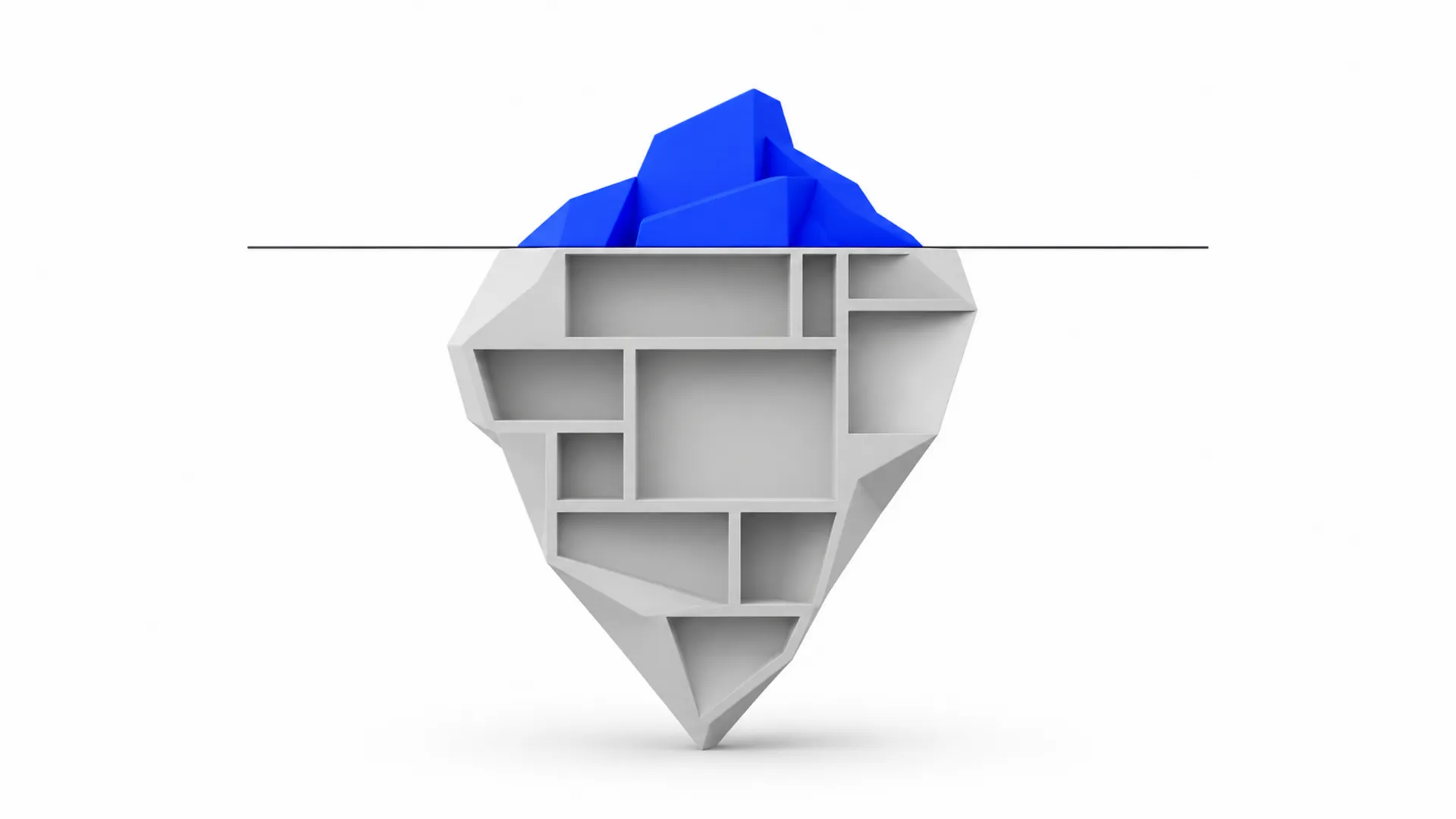
What sets the actual cost sits around it.
Eight things that move the price
| What moves the price | Why | What to ask |
|---|---|---|
| State of the data | Scattered, missing or inconsistent data needs work before the build starts | Who checked our data, and what did they find? |
| Integrations | Every system you connect to is a small project of its own | Which systems do we connect to, and who owns each connection? |
| Required accuracy | The jump from "good most of the time" to "reliable enough for a critical process" is most of the work | What does an error cost, and what accuracy do we really need? |
| Human review | Someone has to approve, correct and handle exceptions | Who checks the outputs, and how long does it take them? |
| Running cost | Models and infrastructure cost money on every run, and the cost grows with usage | What's the ongoing cost at the usage we expect? |
| Security, privacy and regulation | Sensitive data changes the architecture, it doesn't just add a line item | Where is the data stored, who can access it, and who approved that? |
| Adoption | A system people don't use is worth zero | Who trains, who supports, and who owns it after handover? |
| Maintenance | Models, systems and processes change, and the system has to change with them | What's included after go-live, and for how long? |
A quote that ignores those rows isn't a cheap quote. It's a partial one.
Three reasons the quotes are wrong
1. They're written before anyone checked
A vendor who prices without seeing data and systems does one of two things. They pad the price to cover what they don't know, or they price low and discover the gap on the way.
Either way the client pays for the uncertainty. Once up front, and once in change requests.
2. They price the demo
A demo that works on ten examples gets built fast. A system that works every day, on every case, with permissions, monitoring and error handling, is a different job.
I wrote about that gap in why AI pilots stall on the way to production.
3. They promise a fixed price on something still unknown
A fixed price sounds safe. On a project whose scope isn't clear yet, it moves the risk somewhere you can't see: quality, shortcuts, or an argument over every change.
How to buy well
Discovery is the cheapest money in the project. It's also the easiest stage to skip, because it doesn't produce a demo.
Sometimes discovery ends with the conclusion that you shouldn't build. That's a good outcome. I wrote about it in where AI does not belong.
When you do build, the first stage should be short and measurable. I work in 30-day sprints: one goal, one metric, and a decision at the end.
Patterns from the field
The cheapest quote is usually the one that dropped the most rows from the table. It isn't cheap. It postponed the bill.
Running cost is the line that's easiest to forget and hardest to explain to the CFO later.
And the projects that stay on budget are the ones where someone on the client side, at leadership level, held the full picture and not only the contract. That's one of the jobs of a fractional AI leader.
Summary
There is no single price for an AI project. There are questions that set the price, and most quotes are written before anyone asked them.
A good quote doesn't start with a number. It starts with scope, a metric and stages.
Buy stage by stage, with a decision at the end of each, and you pay for what you know. Buy a fixed price on something unknown, and you pay for what nobody knows.
If you're about to start a project and want to check the scope before the price, you can build an AI plan for your company and start there.
FAQ
- How much does an AI project cost?
- There is no single price. Cost is set by the state of your data, the number of systems to integrate with, the accuracy you need, usage volume, and security and regulatory requirements. Anyone who gives a number before checking those is pricing a guess.
- Why do AI project quotes differ so much from each other?
- Because each vendor is pricing a different project. One prices a demo, another prices a system that connects to your systems and holds up in daily use. A wide gap between quotes means the scope wasn't defined, not that one vendor is expensive.
- What is usually missing from an AI project quote?
- Running costs, data work, integration with existing systems, human review of outputs, security and privacy, training and adoption, and maintenance after go-live.
- Is a fixed price better than time and materials?
- A fixed price fits a stage whose scope is clear. In an AI project the scope only becomes clear after discovery, so price a short discovery phase at a fixed price, then each stage separately with a decision point at the end.
- How do you reduce budget risk in an AI project?
- Start with a short paid discovery phase, define a success metric before the build, price by stage, require an estimate of running costs, and make sure the code, data and configuration stay owned by your company.